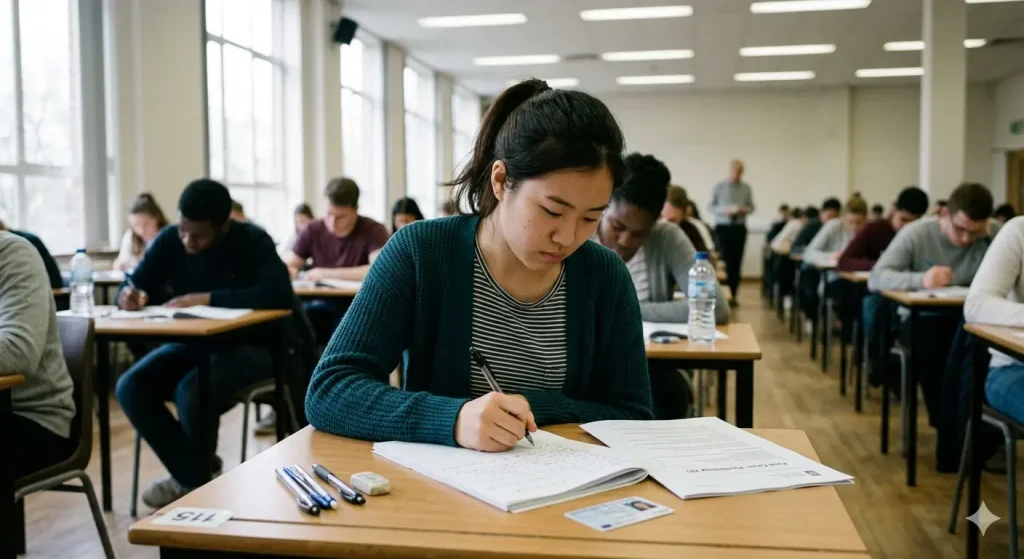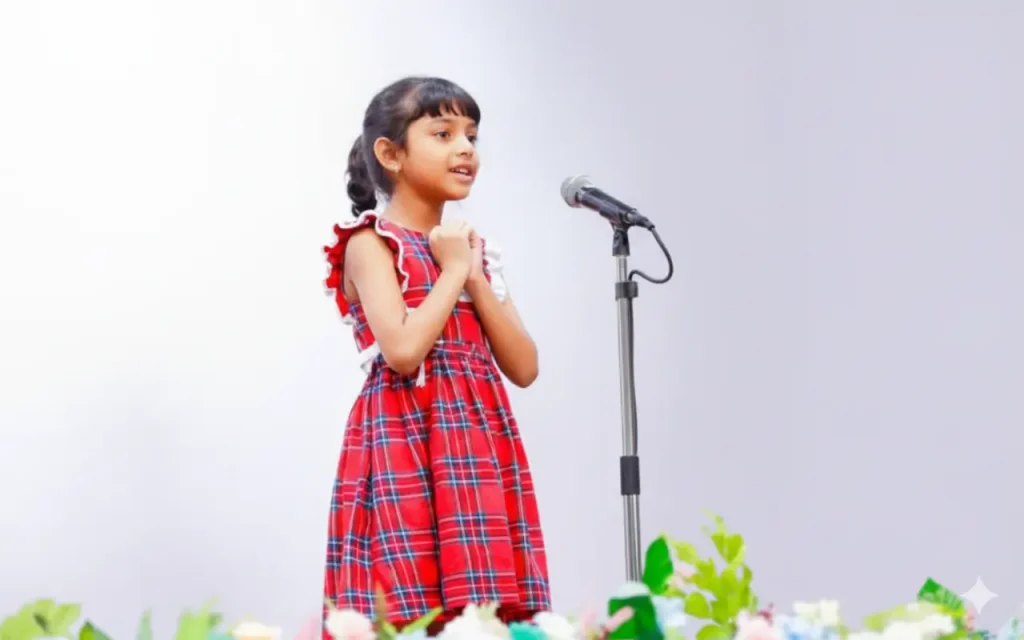

In the bustling landscape of education, where grades often take precedence, the significance of artistic examinations often gets overlooked. Yet, delving beyond the numbers reveals a rich tapestry of benefits that extend far beyond the confines of traditional assessment metrics.
In this article, we take you through the layers of value inherent in artistic examinations for children, shedding light on their profound impact on holistic development and lifelong learning.
Fostering Creativity and Expression
Artistic examinations provide a platform for children to unleash their creativity and express themselves freely. Unlike conventional exams that rely heavily on memorization and regurgitation, artistic assessments encourage originality, imagination, and innovation. Whether through painting, music, drama, or dance, children can explore different forms of expression, honing their artistic talents and developing a deeper appreciation for the arts.
Promoting Critical Thinking
Artistic examinations challenge children to think critically and solve problems creatively. By engaging in artistic processes such as brainstorming, experimentation, and self-reflection, students learn to approach challenges from multiple perspectives and find innovative solutions. These skills are not only valuable in the realm of art but are also transferable to other areas of learning and real-life situations.
“Through artistic mediums, students learn to identify and articulate their feelings, develop empathy towards others, and gain a deeper understanding of human experiences.”
Cultivating Emotional Intelligence
Artistic examinations provide a platform for children to explore and express their emotions in a safe and supportive environment. This emotional intelligence is essential for building meaningful relationships, resolving conflicts, and navigating the complexities of the world.
Enhancing Communication and Collaboration
Artistic examinations foster communication and collaboration skills essential for success in the 21st century. Whether working independently on a project or collaborating with peers in group activities, children learn to articulate their ideas, listen actively to others, and work towards common goals. These collaborative experiences promote teamwork, leadership, and effective communication skills.
Celebrating Diversity and Cultural Heritage
Artistic examinations provide a window into diverse cultures and perspectives. Through exposure to various art forms, styles, and traditions from around the world, children develop a global mindset and a sense of interconnectedness. This cultural awareness is crucial for promoting tolerance, respect, and inclusivity in an increasingly interconnected world.
In conclusion, artistic examinations play a pivotal role in child education by fostering creativity, critical thinking, emotional intelligence, communication, collaboration, and cultural appreciation.
By recognizing and embracing the value of artistic assessments, we can nurture well-rounded individuals who are not only academically proficient but also creative, empathetic and culturally aware. As we strive to provide holistic education experiences for children, let us ensure that the arts continue to occupy a central place in the educational landscape, enriching minds, hearts and souls alike.